Our Tours
Are there tours every day?
We offer tours every day of the year except December 25 and January 1.
How long will the tours last?
Essentials, Bohemian Berlin, East Berlin: 3.5 hours.
Third Reich: 4 hours
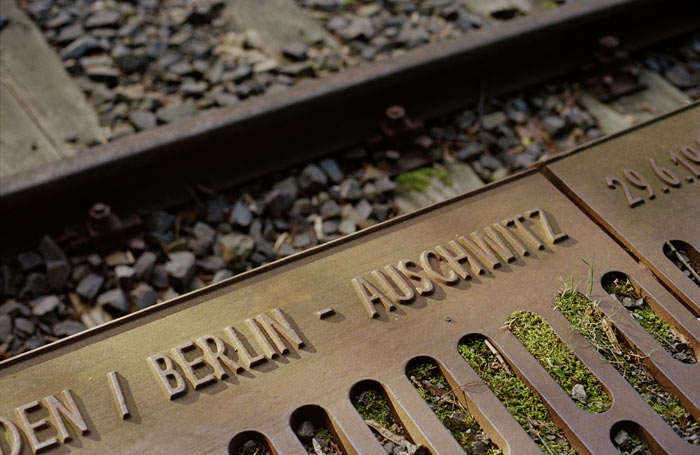
Sachsenhausen Concentration Camp: 6 hours (including travel)
Potsdam: 6 hours (including travel)
What are the hours?
Our tours start at 10am and 1pm.
We recommend you look at the schedule on our website. You can also find out about our guides and special offers to organize your visit to Berlin.
Time Table
Is it possible to do a tour outside of these times?
Of course, with our Private Tours or a tour a la carte, you can choose not only time but the location, duration and topics as well. To learn more, please visit our Tours a la carte page.
Can do two tours in one day?
Absolutely! Our schedule is designed to help you best utilize the time you have in Berlin.
Are there any discounts if I do more than one tour?
Of course! For every Vive tour you take, you'll receive 1€ off of the next tour. At your first Vive tour, we provide you with a rebate card which you'll need to bring back in order to receive a discount.
Why is the Sachsenhausen tour free?
Our tour of Sachsenhausen Concentration camp is free because we believe that this is a part of history that should be accessible to everyone and the tour operates on a tips-basis.
At the end of the tour, you'll be able to give you who give the guide a contribution you deem appropriate.
Will a tour be cancelled due to bad weather or because there are very few people?
No! Tours will run even if there is only one person whether or not it rains, thunder or snows! You'll never come in vain to our meeting point. To make the journey as pleasant as possible, in the event of rain, snow or hot sun, we'll choose a place where we are protected to give our explanations.
Do I need to make a reservation?
Our daily tours do not require reservations in advance, unless it's a group of 10 or more people. Private tours and tours a la carte will need to be made several days in advance. Reservations can be made via Email ( This e-mail address is being protected from spambots. You need JavaScript enabled to view it ) or call +49 (0) 157 84546696.
Is there a limited number of people per tour?
No, but we prefer that the groups are small as we feel smaller groups get more out of the tour!
Where does the tour start?
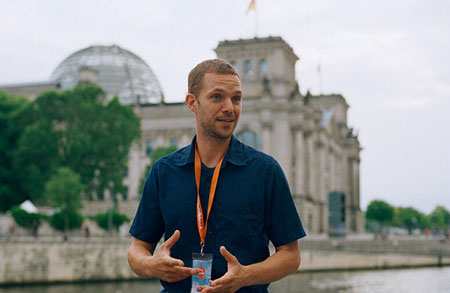
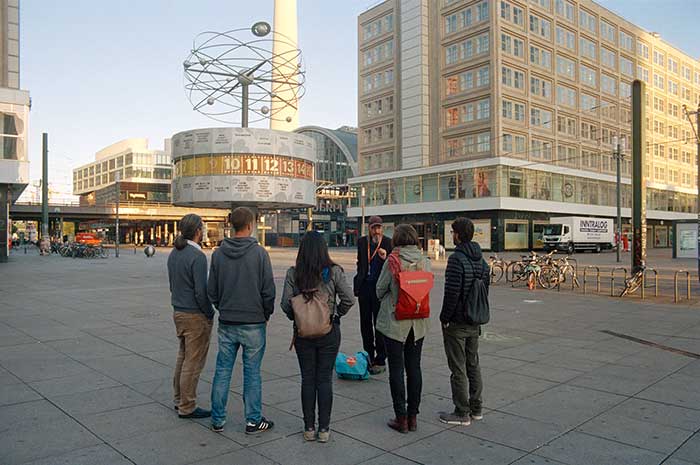
The meeting point is the entrance of Café Balzac located at Potsdamer Platz 10.You can get there with trains S-Bahn lines (S1, S2, S25) or trains of the U-Bahn line 2 (U2, orange), Potsdamer Platz stop, exit to the Stresemannstrasse or buses 200 or M41. In front of Café Balzac, our guides are clearly identified with Vive berlin badges.
Public Transportation
General info on transport in Berlin
Berlin has an intricate and comprehensive public transportation system which consists of: U-, S-Bahn, Tram, buses and regional or commuter trains(RE).
What is the difference between the U-Bahn and S-Bahn?
There is virtually no difference and you can use both systems with the same transit fare. The main difference is that each company is owned by different companies.
Where to buy the ticket?
Transport tickets can be bought at all stations S-Bahn or U-Bahn from automated machines or, in some stations, in the ticket offices. Itis also possible to buy tickets on trams and buses. The machines located in train stations have been translated into several languages to make it easier for you to use.
How do I validate my ticket?
You must validate tickets before boarding the train or subway. You'll find machines on the platforms of the S-Bahn or U-Bahn.
In trams and buses you can buy your ticket inside, the driver on the bus, and there are stamp machines located on buses and trams in the event you need to validate pre-purchased tickets.
Regardless of where you buy the tickets, they are valid for all modes of transport.
When do you have to validate travel tickets?
Ticket sare validated only once, before first use.
Validation is a stamp which records the date, time and station where the ticket was validated.
If you repeatedly validate the ticket, it will become invalid!
What is the difference between an AB and an ABC ticket?
For transportation, Berlin and its surroundings are divided into three zones. Zone A, B and C. Zone A is the center of the city, the urban area is zone B and zone C is composed of Berlin's surrounding areas including Potsdam and Sachsenhausen.
There are tickets AB, BC and ABC. Tickets are always valid for at least two of the three zones. As long as tyou do not need to leave the urban area only AB tickets.
Are there reduced rates?
Fares are reduced for seniors and children ages 6 to 13 years. Children under 6 years do not need tickets.
The reduced fare does not apply to students!
What happens if I do not have a valid ticket?
Transport companies regularly conduct checks on trains, trams and buses. If you do not have a valid ticket the fine is 40 €, payable immediately.
Night transport
The Berlin U-Bahn and S-bahn trains run from Sunday to Thursday until approximately 00.30 to 1:30. Night buses and trams run from midnight until about 4:30 a.m. Nightbuses are distinguished by an N and a number that determines the route; most run every 30 minutes. Friday night, Saturday and on public holidays, the U-Bahn and S-Bahn run all night with the exception of a few lines.
Types of tickets in Berlin
All transportation tickets are integrated, ie you can use in both the metro and the train, bus or tram.
You have several options:
Einzelfahrschein. (Singlefare) Ticket valid for up to two hours, in one direction.
ZoneAB: 2.30 €
ZoneABC: 3.00 €
Tageskarte (day ticket) Ticket valid until 3am the following day.
ZoneAB: 6.10 €.
ZoneABC: 6.50.
We recommend these tickets if you're going to use transit more than three times in one day or if you come on one of our tours.
Kurzstrecke (Short Trip Ticket) (1.40 €) Valid for 3 (trains) or 6 stations(buses/trams).
Anschlussfahrausweis (Extension ticket- Upgrade from 2 zone fare to 3 zone fare) 1.40€
You need to buy an extension if you have to leave the limits of Berlin.
If you have an AB ticket and an extension ticket, you can travel to the Zone C as well.
Kleingruppenkarte (Day ticket for small groups.) For groups of up to five people.
ZoneAB: € 15.90.
ZoneABC: € 16.10.
We recommend this ticket for those traveling in groups of at least three and a maximum of five.
7-Tages-Karte (Ticket for 7 days) duration for a week. Expires at 24.00 hours on the seventh calendar day following the day of commencement.
€26.20 AB areas.
BerlinABC € 32.30.
Individual tickets tourism:
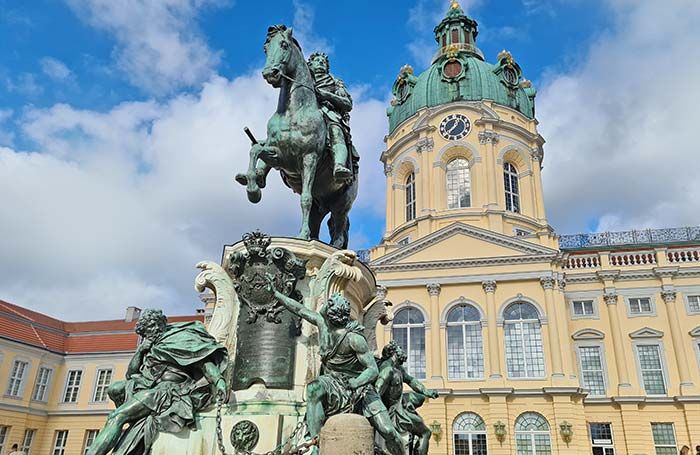
We recommend these tickets only if you plan on using discounts offered (between 20% and 50%), in museums and other attractions such as the Jewish Museum, the New Synagogue, the Deutsche Oper and the Charlottenburg Palace.
CityTourCardis a ticket for 48 hours, 72 hours or 5 days which includes discounts on tourist attractions and events.
CityTourCardBerlin (48 hours)
BerlinAB: 15.90
BerlinABC: 17.90
CityTourCardBerlin (72 hours)
BerlinAB: € 20.90
BerlinABC: € 22.90
BerlinCityTourCard 5 days
BerlinAB: 28.90
BerlinABC: € 33.90
WelcomeCard. Forone adult and three children (6 to 13 years) and also includes discounts on tourist attractions and events.
WelcomeCard(48 hours)
BerlinAB: 16.50 *
BerlinABC: 18.50
WelcomeCard(72 hours)
BerlinAB: 22.00 Berlin *
BerlinABC: 25.00
WelcomeCard5 days
BerlinAB: 29.50 € *
BerlinABC: € 34.50
*For zone AB, the ticket is valid only for one person.
We recommend this ticket only for those traveling with children and therefore the ABC Card Welcome.
Food
¿Qué lugares recomiendan para salir a comer?
Berlín es una ciudad con una increible diversidad en su oferta gastronómica. Además es relativamente económica a la hora de ir a comer a un restaurante, a un Biergarten (jardín de la cerveza) o bien a un imbiss (pequeños locales de comida al paso)
Nuestro lugares favoritos son:
Restaurantes:
Max un Moritz. Nuestro favorito. Para degustar el famoso codillo (Eisbein), salchichas y cervezas.
Oranienstraße 162
10969 Berlin
+49 (0)30 69515911
U8 Moritz Platz, Bus M 29 parada Oranienplatz.
Zillemarkt. Típico restaurant al estilo de los famosos años 20.
Bleibtreustr. 48a
10623 Berlin
S9, S75, S7 Savignyplatz
Clärchens Ballhaus. Para comer y bailar. Desde salchicas con swing hasta patatas con tango.
Auguststraße 24
10117 Berlin
+49(0)30 2829295
S1 Oraninburger Straße
Prater: Jardín cervecero y restaurant típico del viejo Berlín.
Löwenbräu: Filial de una de las cervecerías bávaras más famosas. Se encuentra en la Potsdamer Plat, dentro del Sony Center
Biergarten:
Prater. El Biergarten más antiguo de Berlín. Para cervezas y salchichas.
Kastanienallee 7-9
10435 Berlin
+49 (0)30 4485688
Schleusenkrug
Müller-Breslau-Str.
10623 Berlin Tiergarten
Telefon: 030 / 3139909
Imbiss:
Curry 36. Con su famoso Currywurst al estilo de Berlín Occidental.
Mehringdamm 36
10961 Berlin
+49 (0)30 2517368
U7 /U6 Mehringdamm
Knoppke´s Imbiss. Con su famoso currywurst al estilo de berlín Oriental.
U2 Eberswalder Straße, justo abajo de las líneas del metro.
¿Cuales son los platos típicos de Berlín?
La comida berlinesa es una comida sencilla, sabrosa y con fuertes raices campesinas, cómo el Berlín del finales del s. XIX y principios del s. XX. Es el resultado de la combinación de la comida brandenburguesa con la que trajeron los inmigrantes de Silesia, Pomerania, Francia, Bohemia y Prusia.
Cerdo:
Codillo: Perníl de cerdo de carne sumamente suave y aromática. Se la suele acompañar con pure de guisantes o chucrut.
El nombre en alemán (Eisbein: Pierna de hielo) proviene del uso que se hacía del hueso del pernil. La gente usaba el hueso para hacer con ellos patines para el hielo
Kasseler: Carne de cerdo aumada o en salmuera o salazón. Su nombre proviene del apellido de un carnicero de la Potsdamer Str.
Currywurst:
Salchicha Bock:
Falso conejo:
Res:
Albóndigas de Königsberg: Königsberg, la vieja capital de Prusia, hoy Kaliningrado y parte de Rusia, le dio su nombre a este plato de albóndigas de res, cerdo huevo, cebollas y especias con salsa blanca y alcaparras
Hígado berlinés: Plato de higado de ternera acompañado de manzana y cebollas.
Pescado:
Lucio del Havel: Pescado de rio Havel.
Rollmops: Arenque enrollado con pepinillo y cebolla: la versión nórdica del sushi
Patatas:
Bratkartoffel: Patatas fritas a la alemana: Rodajas de patata fritas con cebolla, tocino y especias.
Kartoffelpuffer: Torrejas de patata, se las puede comer dulces (por ejemplo con pure de manzana) o saladas
Sopas y cremas:
Crema Nabiza de Teltow: Uno de los platos preferidos del poeta alemán Wolgang Goethe. Una crema de sabor intenso hecha de una Nabiza que crece en el suelo del sur de Berlín en Brandenburgo.
Selección de cervezas de Berlín:
Berliner Bürgerbräu: Rotthkehlchen (Pils), Bernauer Schwarzbier (Negra)
Berliner Pilsner
Schultheiss Pilsener
Berliner Kindl Pils
Märkischer Landmann (Oscura)
Potsdamer Rex Pils
Eschenbräu Pils
Eschenbräu Dunkel (Oscura)
Eschenbräu Weizen (de trigo)
Rixdorfer Hell
Rixdorfer Dunkel
Cultural Life
¿Que museos son indispensables?
Por su fama y su maravillosa colección el Museo de Pérgamo y el Nuevo Museo con el busto de Nefertiti.
Si eres aficionado a la pintura la Gemäldegalerie y el museo Berggrüen.
Si te gusta el arte moderno es imperdible la Hamburger Bahnhof y la Neue Nationalgalerie.
Si la historia te atrae el Museo Judío y el Museo Nacional de Historia.
¿Cuanto cuesta ingresar a los museos?
El precio de los Museos fluctúa entre los 12€ por persona adulta en la Isla de los Museos y los 3€ para estudiantes en el Museo de Tecnología.
¿Dónde se puede comprar los billetes para los museos?
Los pueden comprar directamente en los museos, momentos antes de entrar.
En el nuevo Museo se pude comprar por adelantado con tarjeta de crédito.
¿Que día es gratuito el ingreso a los museos?
Gran parte de los museos estatales como el Museo Pérgamo, abren sus puertas de forma gratuita todos los Jueves de 17h a 22h.
Un detalle de qué museoa son gratuitos qué días lo puedes ver aquí:
Academia de Artes (Pariser Platz y Hanseatenweg): los primeros domingos del mes
Alte Nationalgalerie: Pintura del siglo XIX incluyendo los grandes del romanticismo alemán. Jueves 18 a 22 hrs (válido para la colección permanente)
Antikensammlung en el Alten Museum: Jueves 18 a 22 hrs
Bode-Museum museo de escultura, museo bizantino: Jueves 18 a 22 hrs
Bröhan-Museum: Colección de muebles y enseres del modernismo o art noveau Primer Miercoles del mes
Deutsche Guggenheim Berlin: Lunes
Domäne Dahlem: Museum etnográfico sobre la vida en el mundo agrario berlinés a través de los siglos. primer miercoles del mes. El espacio al aire librees de ingreso libre siempre salvo en fiestas especiales
Ephraim-Palais – Museo de la ciudad Primer miercoles del mes
Museo etnológico: Jueves 14-18 hrs. (válido tan solo para la colección permanente
Gemäldegalerie: La mejor colección de pintura de Berlín (s. 15-19) Jueves 18 a 22 hrs
Hamburger Bahnhof – Museo del presente (Arte contemporáneo) Berlin: jueves 14 a 18 hrs
Kunstgewerbemuseum: Museo de artes aplicadas (diseño) Jueves 14 a 18 hrs
Kupferstichkabinett: Gabinete de grabados: jueves 14 a 18 hrs
Märkisches Museum - Museo de la ciudad: los primeros miercoles de la ciudad
Museum Berggruen: Jueves 18 a 22 hrs
Museo de Arte Asiatico: jueves 14 a 18 hrs
Museo de fotografía / Fundación Helmut Newton Stiftung: Jueves 18 a 22 hrs
Museo de instrumentos musicales: jueves 18 a 22 Uhr
Neue Nationalgalerie: Los tesoros de la modernidad clásica. Jueves 18 a 22 Uhr (válido tan solo para la colección permanente)
Neues Museum con el museo egipcio (la Nefertiti): jueves 16-20 Uhr (de momento tan solo con un billete para esas horas)
Pergamo la colección de la antigüedad el museo de el Asia y el de arte islámico: jueves 18 bis 22 Uhr (a partir del 11. April 2010)
Colección Scharf-Gerstenberg: Colección de arte surrealista (250 obras de Magritte, Dalí, Goya)Jueves 14-18 hrs.
Palacio Köpenick: colección de muebles y enseres domésticos del barroco, el renacimiento y el rococo jueves 14 bis 18 Uhr
¿Dónde se pueden comprar libros en español sobre Berlín?
En La Rayuela, la librería especialisada en español en Berlín
¿Dónde están las galerías de arte?
Puedes encontrar galerías de arte en diversas calles y sectores de Berlín, pero el lugar de mayor concentración de galerías se encuentra en la zona del antiguo barrio Judío, más específicamente en Auguststraße, entre Oranienburgerstraße y Rosenthaler Straße. Recorreremos esta zona en nuestro tour de Berlín Oriental.
¿Dónde está el arte alternativo en Berlín?
En Berlín puedes encontrar arte alternativo o urbano en cada esquina, tan solo hay que estar atento. Los lugares de mayor concentración de arte urbano en Berlín son en los barrios de Berlín Oriental y en Kreuzberg. Pero también existen galerias de arte dedicadas al arte urbano como el graffiti.
Nightlife
¿Es Berlín una ciudad segura de noche?
Si! Si bien de noche uno la ve algo oscura y con calles solitarias, es muy segura.
¿Dónde se puede ir de marcha en Berlín?
Casi todos los barrios de Berlín tienen una zona de marcha. A continuación les sugerimos algunas de las más famosas:
Barrio de Mitte: Ésta es probablemente la zona de bares más turística de la ciudad, cada día se ven menos alemanes y más extranjeros. Su calle emblemática es la Oranianbuergerstraße, empezando en el famoso centro cultural Tacheles (originalmente una casa Okupas) hasta sus internacionales cafés y restaurantes. Pasearemo por aquí en nuestro tour de Berlín Oriental.
U6 Oranienburger Tor/ S1 Oraninburgerstr. / S7, S9, S75, S3 Hackerscher Markt.
Barrio de Prenzlauerberg: Este barrio del Berlín de la antigua RDA es famoso por su cantidad de extranjeros. Su calle más conocida para ir de marcha es Kastanienallee, la cual es ironicamente comparada con una pasarela de moda (Catwalk) debido a la gente que se pasea por ella, exhibiendo la última moda berlinesa.
U2 Eberswalder straße
Barrio de Friedrichshain: Este es uno de nuestros barrios favoritos. Friedrichshain tiene una movida más alternativa, donde se mezclan bares con mucho diseño y otros más relajados y a veces destrozados. Su zona de mayor entretención es la calle Simon-Dach-Str. -y los alrededores de la Boxhagener Platz. Nuestro Tour Vive Berlín Oriental termina muy cerca de aquí.
U5 Samariter Straße y S3,S5,S7,S75,S9 Warschauer straße.
Barrio de Kreuzberg: Este barrio, también conocido con “el barrio turco”, esta repleto de lugares para el ocio. Su calle Oranienstraße (no confundir con Oranienburgerstraße del barrio Mitte) ofrece una serie de alternativas, desde restaurantes alemanes, turcos y japoneses, hasta pequeñas salas de baile, mezcalerias y salas para concierto de música punk, rock, jazz y más. En sus bares encontrarán desde camas en lugar de sillones, Shishas de diferentes sabores y aromas, muros felpudos y techos repletos de lamparas. Nuestro tour Vive Berlín Kreuzberg pasa por aquí.
U1 Görlitzerbahnhof / U8 Moritzplatz / M29 Oranienplatz
¿Dónde se puede averiguar que conciertos y actividades hay?
Te recomendamos las páginas web de las revistas Tipp y Zitty. En ambas encontrarás máscaras de búsqueda que te permitirán ver qué actividades están programadas para los días de tu estadía.
¿Que club de música electrónica recomiendan?
1. Berghain/ Panoramabar
www.berghain.de
Am Wriezener Bahnhof
10243 Berlin
S3, S5, S7, S75, S9 Ostbahnhof
2. Tresor Club
Köpenicker Str. 70
10179 Berlín
U8 Heinrich-Heine-Straße
3. Watergate Club
www.water-gate.de
Falckensteinstraße 49
10997 Berlin
U1 Schlesisches Tor
About Us
¿Qué es Vive Berlín eG.?
Vive Berlín es una joven cooperativa de guías que te invitan a explorar las infinitas facetas de esta ciudad. Nuestra receta para descubrir Berlín combina su fascinante historia, su arquitectura, sus anécdotas y sus excéntricos personajes, todo ello aliñado con humor y carisma.
¿Son voluntarios, empleados, estudiantes o qué?
Somos un grupo multidisciplinario de profesionales jóvenes que hemos decido unirnos y trabajar en conjunto para mostrarte ésta fantástica ciudad. No somos voluntarios ni estudiantes, somos personas que amamos Berlín y nuestro trabajo, nos fascinamos con la historia y queremos dar el mejor servicio a nuestros clientes.
¿Para quién trabajan?
Trabajamos de forma autónoma y para nuestra cooperativa. Aquí no hay jefes. Pero si tenemos una estructura, que nos ayuda a organizarnos y al desarrollo de nuevos proyectos.
¿De qué países son?
Alemania, Argentina, Bolivia, Chile, España, Puerto Rico y Venezuela.